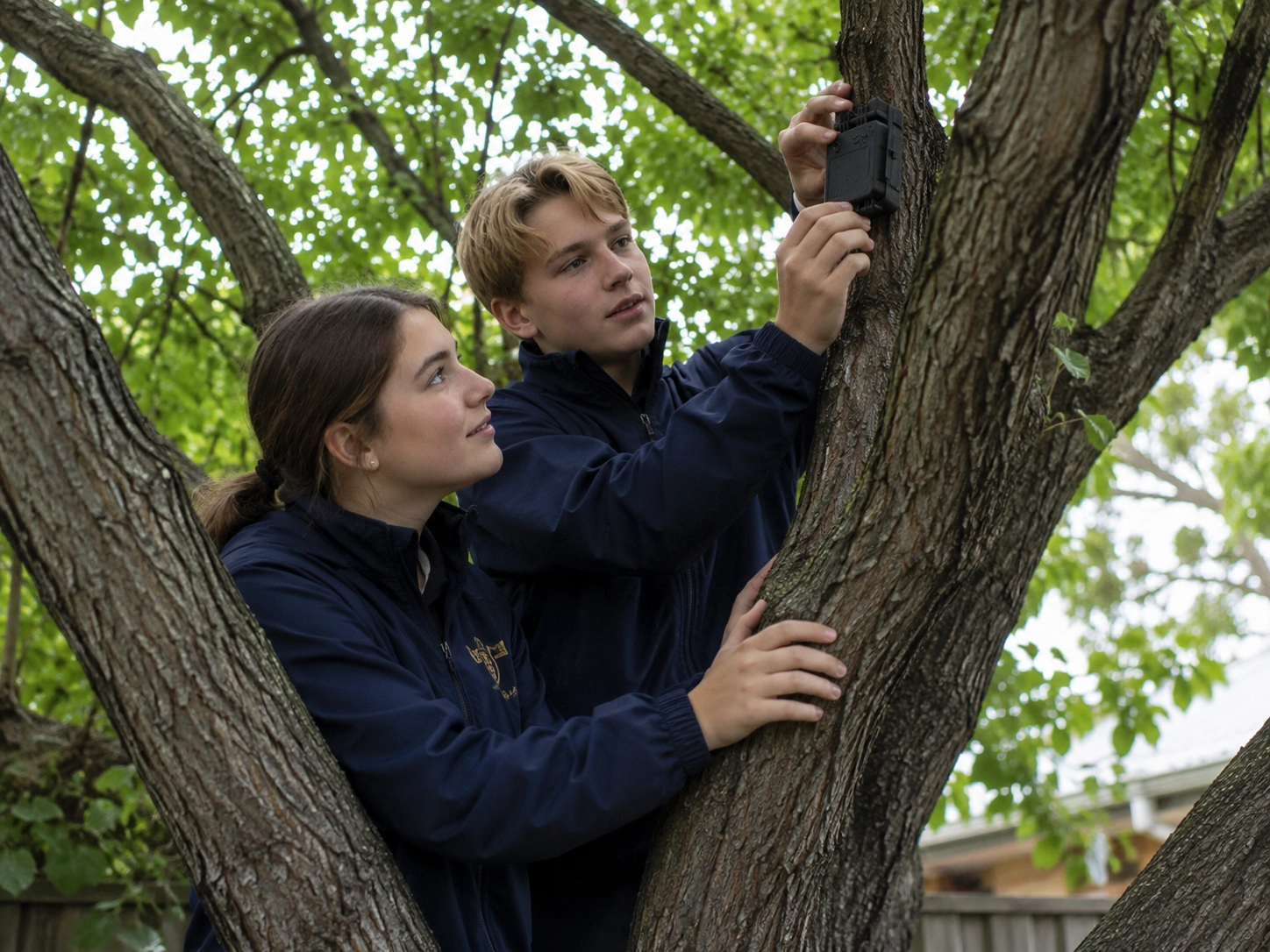
Who is talking in my backyard?
The project is a longitudinal survey, so it will be undertaken over several years to gather data on the presence of species and to show the impacts of climate change on animal population movement compared to the indigenous seasons of your local area..
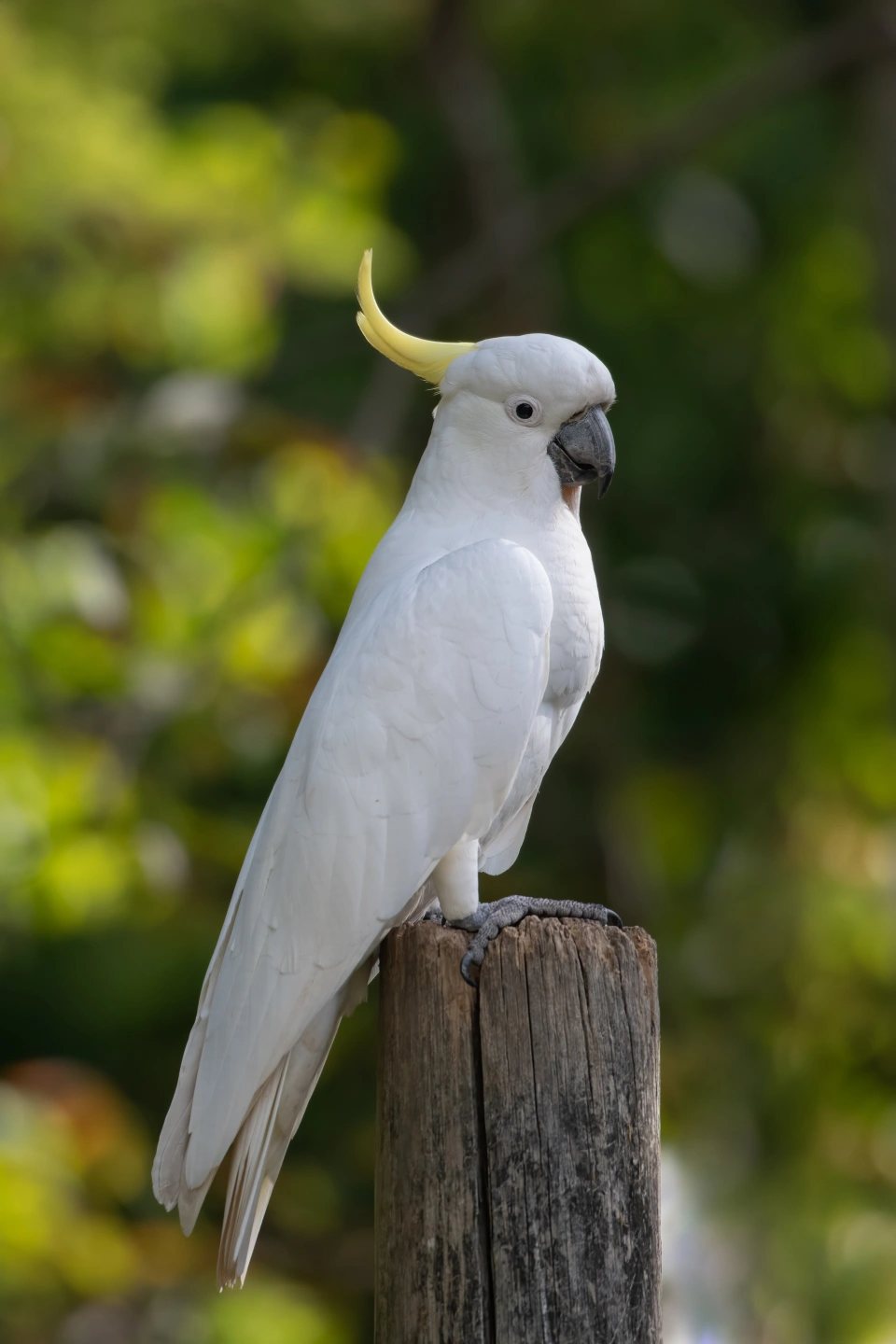
WHO IS TALKING IN MY BACKYARD?
Project Overview
A multi-city public engagement initiative activating community dialogue around:
• Environmental responsibility
• Shared urban spaces
• Local sustainability action
• Collective stewardship
Delivered across all capital cities in Australia.
Ecology and Schools – How the two can work together
Environmental education in Australian schools is increasingly moving beyond textbooks and classrooms, with students taking part in practical ecology projects that combine hands-on learning with real-world conservation outcomes. Across the country, schools are creating opportunities for students to explore biodiversity, sustainability, and citizen science while building stronger connections with their local environment.
From restoring habitat corridors to monitoring wildlife and reducing waste, school-based ecology projects are helping students develop scientific skills, environmental awareness, and a sense of stewardship for the natural world as well as raising awareness of the opportunities available in the field of science.
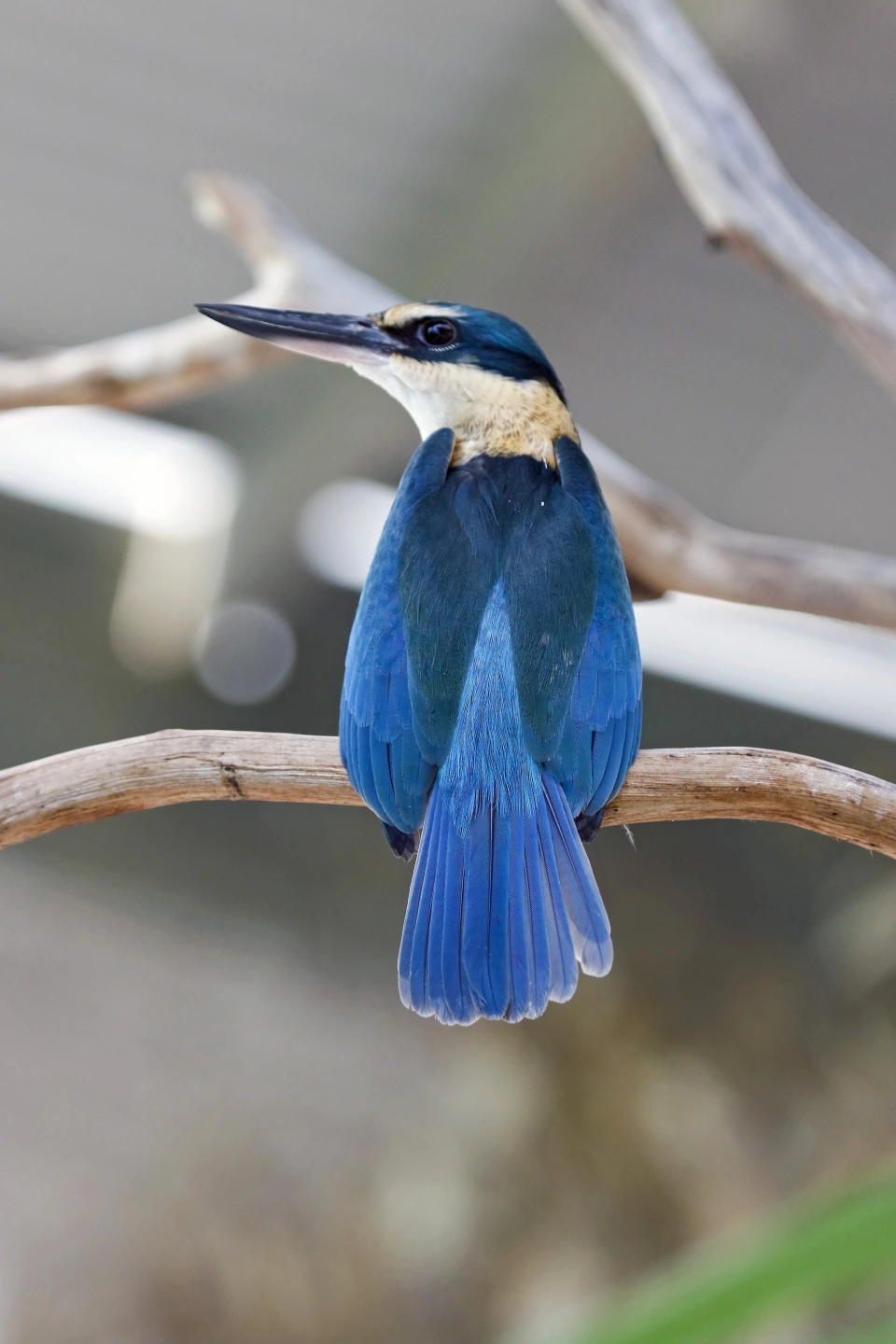
Learning Outcomes
Through the project, students learn how acoustic monitoring can be used to detect animal species. They develop and design their own survey approach, set up acoustic recorders, and collect both acoustic and ultrasonic data. Once recordings are gathered, students use software to identify animal calls and generate a basic report for each recorder location.
Data use
The data collected is being used to compare animal activity and presence across local Indigenous seasons, helping students investigate how seasonal change may influence wildlife on campus. The project also provides opportunities to identify species that may be moving through the area from other regions.
All data is stored online for research purposes and will be freely available for use by university students for research purposes, with call recordings being cited back to the school in any papers produced using the collected data.
The cost
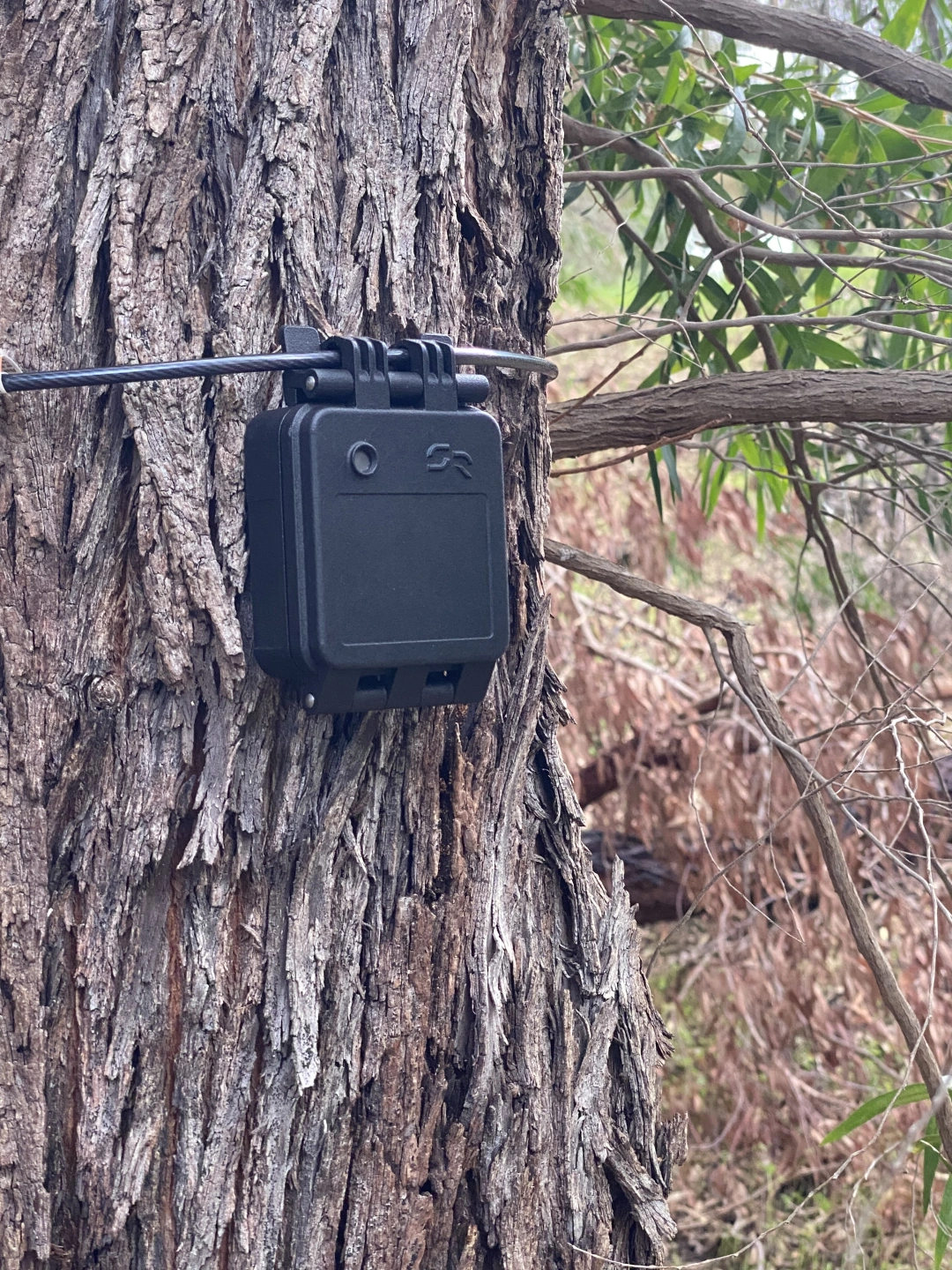
The cost of the project is based upon a flat fee of $750 per year, which covers the cost of Zoom and in-person sessions plus data analysis, reporting and storage. In Year 1 you also receive 4 x Demeter Acoustic recorders. Extra recorders can be purchased at $240 for 1 to 3 units or $200 for 4+ units. All prices include GST.
You would need to supply batteries, 4 x AA, for the recorders as well as a Micro SD card, 32GB, for each unit.
How it works - Online
We provide Zoom sessions:
1. Introduction to the project and help with the design of the survey. This includes an idea of where you want the recorders to be placed and how often the surveys are to be performed.
2. After the survey is performed, the collection of data and storage onto a portable SSD drive for our analysis, as well as loading data for students onto a school storage drive. Students can load data from their Demeter onto their own computer or portable drive for their own analysis. Teach how to use software to identify calls from collected data.
3. Each season, a presentation on data collected with sample recordings is played with spectrograms. Students to learn how to research if a bird or bat is ‘local or migrating’ as well as identifying if any species is present that is unusual to the area.
4. Year-end presentation of data to students with a discussion about results from the survey.
How it works - In Person
We include an in person session for schools and groups to set up the recorders by programming the SD card with latitude and longitude, time and date, as well as scheduling the recording times.
Participants are shown how to install the recorders to a tree, fence post or wall.
Listen to some of our students recordings
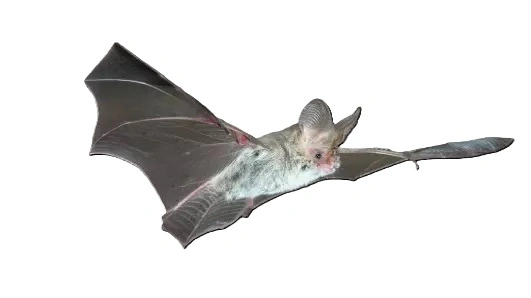
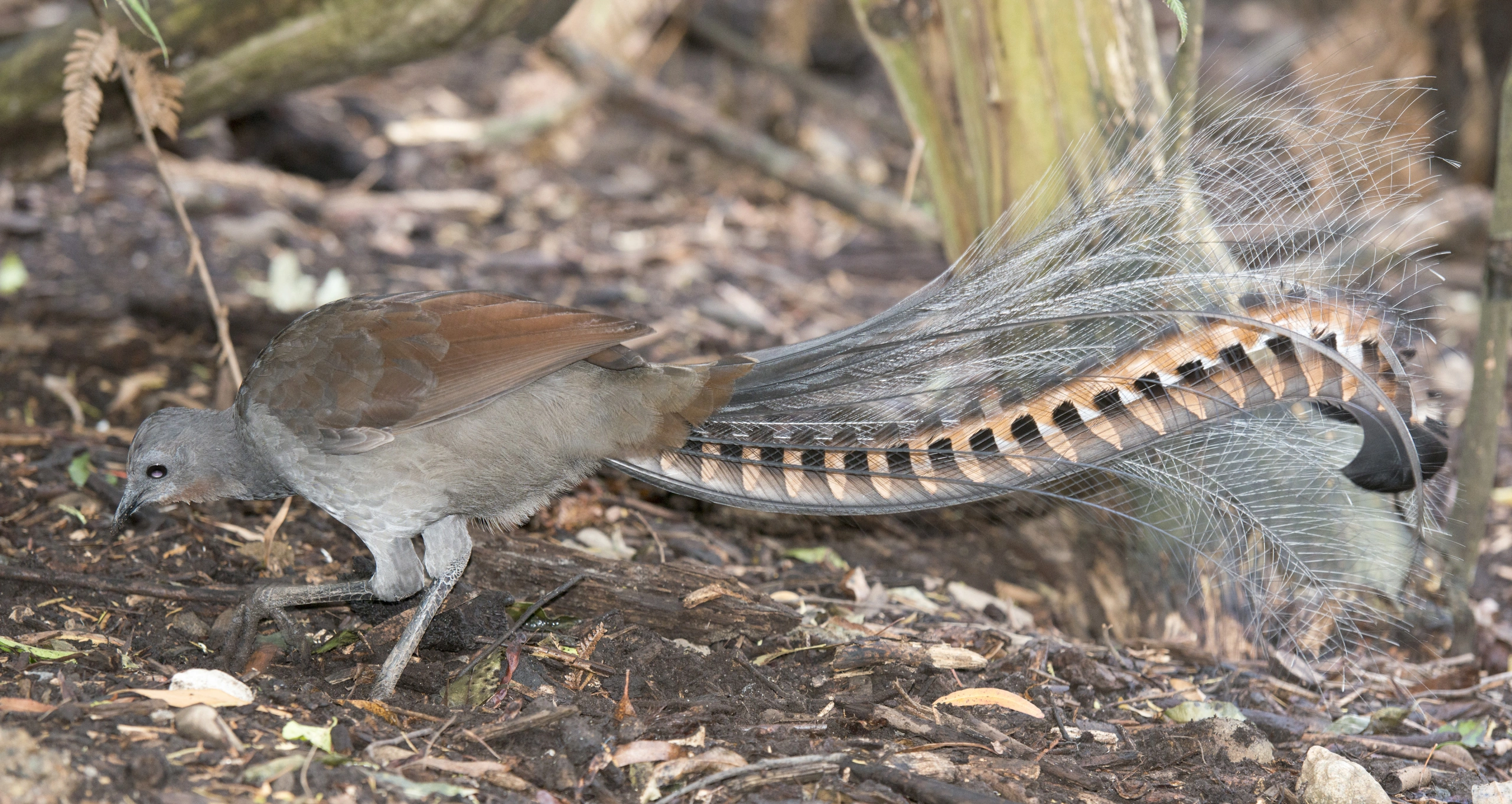
Here are some examples of calls recorded by the Demeter acoustic recorder of both birds and bats.
Who is calling?
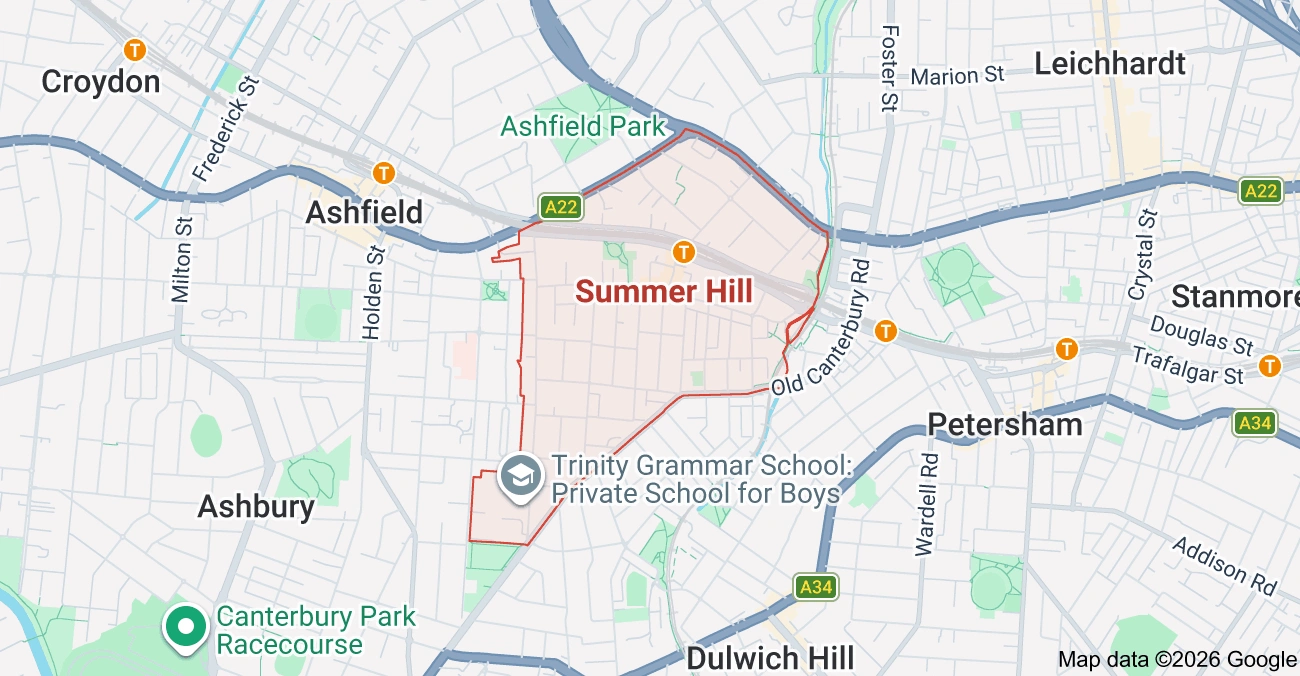
Who is talking in my backyard in Summer Hill, Sydney NSW
How to set up the Demeter – Quick Deploy
Want to participate or find out more?
Please fill in the form below and we'll contact you as soon as we can regarding the project enquiry.
Documents and Manuals
Information for project participants, team leaders and teachers
Demeter - How to record
How to set up your Micro SD card to control your Demeter to record acoustic or ultrasonic animals.
Instructions on turning on recorder.
mydemeter.app and data collection
Explains how to use the mydemeter.app to set up individual or multiple devices as well as collection and storage of data
The Australian Curriculum - Biology
The current view of the biosphere as a dynamic system composed of Earth’s diverse, interrelated and interacting ecosystems developed from the work of eighteenth and nineteenth century naturalists, who collected, classified, measured and mapped the distribution of organisms and environments around the world.